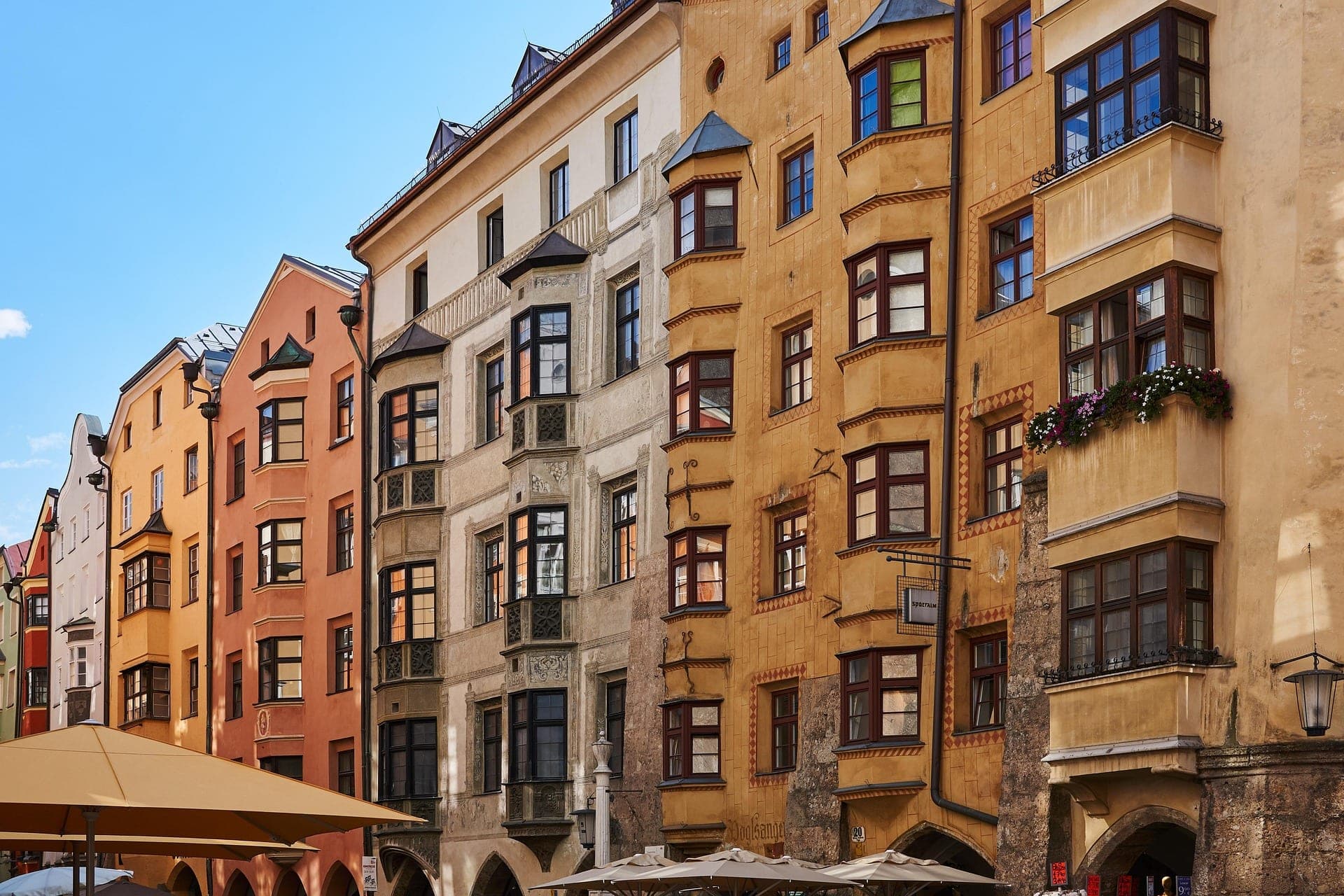
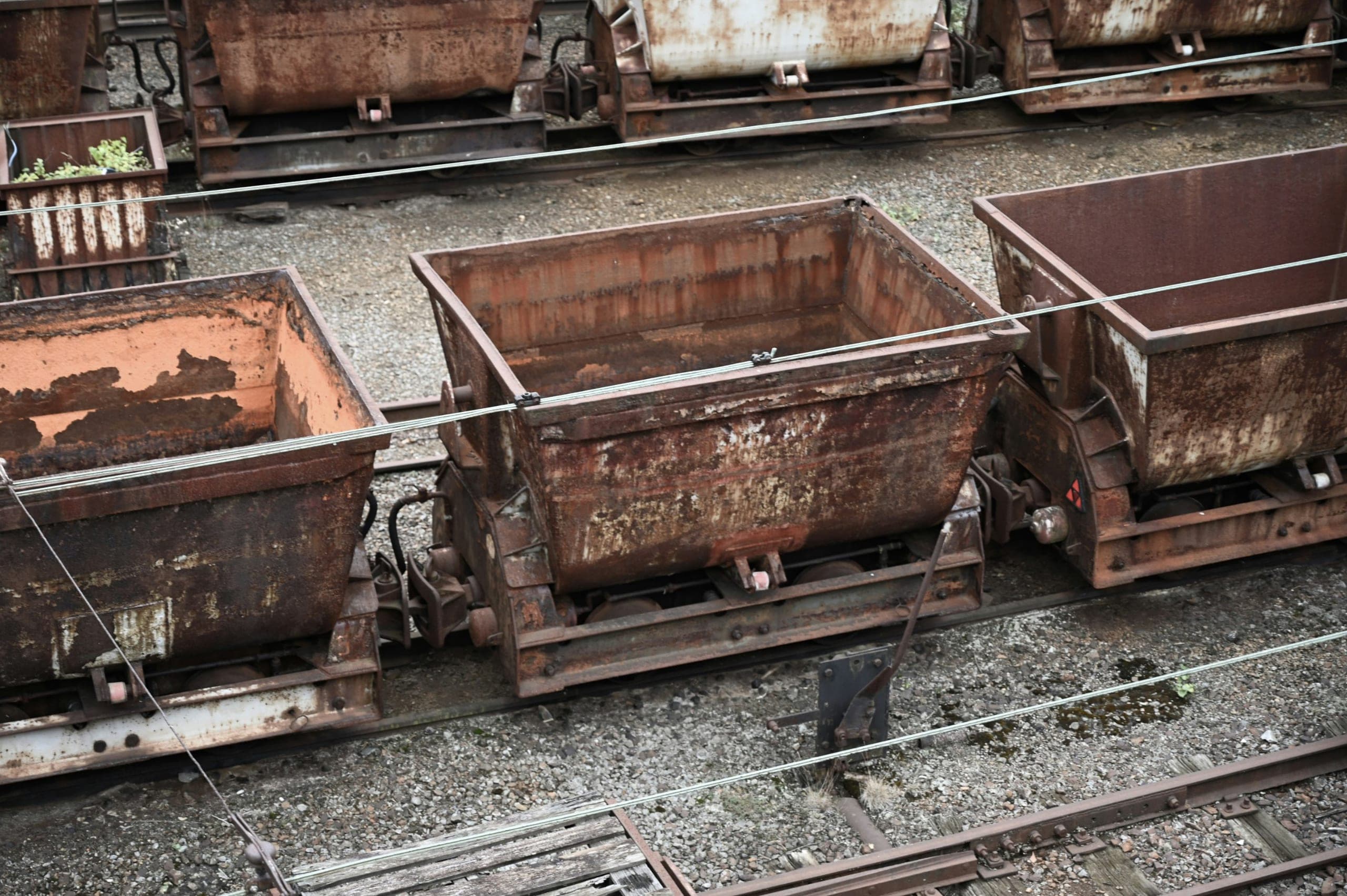
Entrance and grounds of the Schwaz silver mine in Tyrol

The Schwaz silver mine as a rainy-day plan

Deep inside what was once Europe’s greatest silver city

Julia & Madleine·5 min read

About 20 minutes by car from Pertisau lies Schwaz — in the 16th century the largest mining town in Europe. The mine railway takes you 800 metres into the mountain, to where around 85 % of the world’s silver was once mined.

Perfect in the rain: the entire tour takes place inside the mountain, so you stay completely dry.

Visitors aboard the mine railway at the Schwaz silver mine
The tour

800 metres deep by mine railway

The tour takes you into the mountain aboard the original mine railway — room for around 40 people per train — to a depth of 800 metres. On the 90-minute round trip you learn how silver and copper were mined here in the Middle Ages. Inside the mountain it is a constant 12 degrees all year round, so dress warmly and bring sturdy shoes.

Address: Alte Landstraße 3a, 6130 Schwaz

Duration
90 min
Temperature
constant 12 °C
Depth
800 m
Price
from € 15 (children)

Good to know: Groups of 20 or more should book ahead online or by phone — from 40 people onwards several mine trains run at intervals of 10 to 20 minutes.
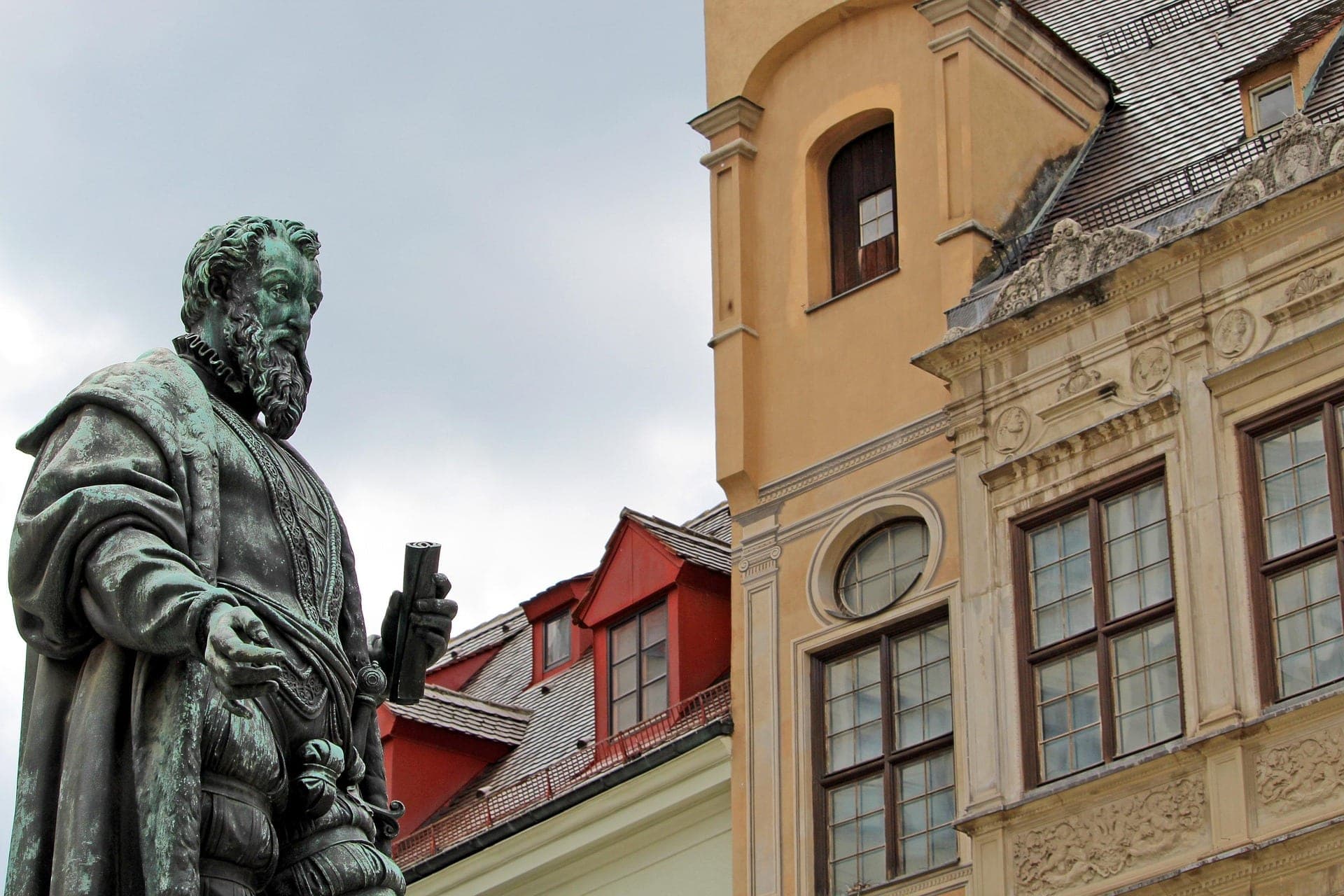
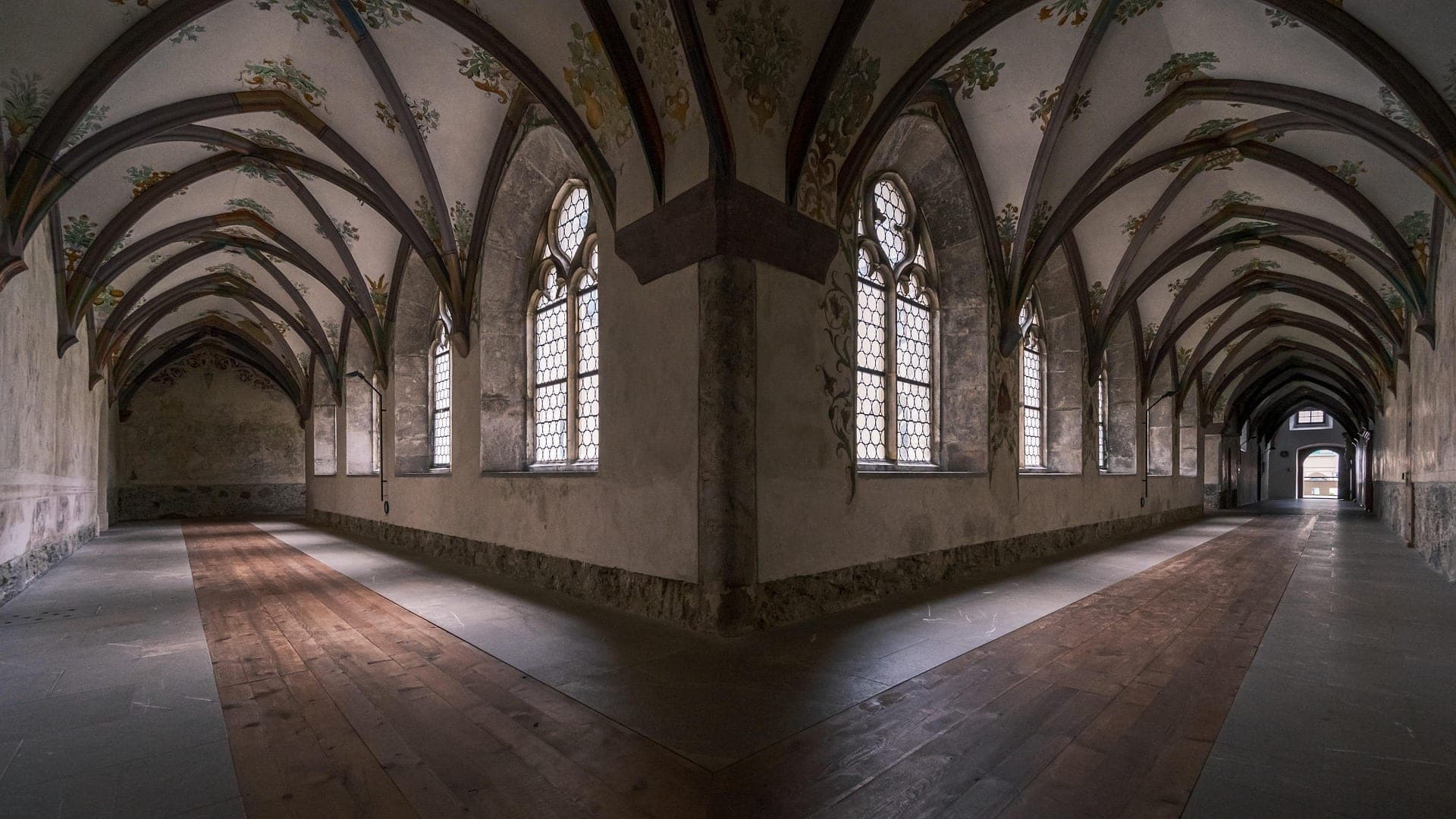
Historic tunnel inside the Schwaz silver mine
The history

When Schwaz supplied 85 % of the world’s silver

The silver boom began around 1420 at the Falkenstein, and in 1523 the Schwaz mines produced some 15.7 tonnes of fine silver — an estimated 85 % of the world’s silver at the time. Around 1500 Schwaz had over 20,000 inhabitants, making it the second largest city in the Habsburg lands after Vienna. With Schwaz silver and copper the Fugger family of Augsburg even financed Emperor Maximilian I — and in 1519, with bribes of around 850,000 guilders, helped make Charles V king of Germany.

Silver output 1523
15.7 tonnes
Share of world output
approx. 85 %
Inhabitants around 1500
over 20,000

Fun fact: In 1486 the very first “Taler” was minted in Hall in Tirol, established near Schwaz for exactly that purpose. The name later gave rise to the word dollar.

Schwaz old town with the parish church and Freundsberg castle
Schwaz old town

Fuggerhaus, parish church & Freundsberg castle

After the mine, a stroll through the old town is worthwhile: the Fuggerhaus from the 1520s was once the administrative seat of the Fuggers of Augsburg (viewable from the outside only). The late Gothic parish church of the Assumption with its copper roof was formerly divided into four naves — one of them reserved for mining families. High above the town stands Freundsberg castle with its mining and local history museum and a wide view across the Inn valley.

Tip: The mine and the old town combine easily into one day — Freundsberg castle is the perfect viewpoint to finish on.

Good to know

Getting there
From Pertisau the silver mine is about 20 minutes away by car — of the three city-trip destinations from Lake Achensee, Schwaz is the closest.
Prices & opening hours
Adults € 23, children (5–14) € 15, family (2 adults + 1 child) € 52 (as of 2026). The office can be reached daily from 9 a.m. to 4 p.m. — it is best to ask for exact tour times in advance.

Frequently asked questions

How far is the Schwaz silver mine from Lake Achensee?+

About 20 minutes by car from Pertisau — making Schwaz the closest of the three city-trip destinations.

How long does the tour of the silver mine take?+

The guided tour lasts 90 minutes, including the mine railway ride to a depth of 800 metres at a constant 12 degrees.

What does admission to the silver mine cost?+

Adults pay € 23, children (5–14 years) € 15, a family (2 adults + 1 child) € 52 (as of 2026).

Is the silver mine a good idea in rainy weather?+

Yes, ideal in fact: the entire tour takes place inside the mountain, so you stay dry the whole time, whatever the weather outside.

“Deep underground lies the history that once made Tyrol rich — a trip into the silver mine is like time travel, 800 metres below the surface.”

— yours, Julia & Madleine